Creating a home workspace that encourages both creativity and focus can be a game-changer in how you approach your daily tasks. Whether you’re freelancing, working remotely, or managing personal projects, your environment plays a major role in your productivity. This guide offers practical tips to help you design a workspace that inspires and supports your best work.
Why Your Workspace Matters
Your environment affects your mood, energy levels, and ability to concentrate. A well-organized, thoughtfully arranged workspace can reduce distractions, improve motivation, and make it easier to enter a productive mindset. On the flip side, a cluttered or uninspiring space can increase stress and hinder your ability to generate new ideas.
Choose the Right Location
Find a Quiet Spot
Opt for a location that minimizes noise and interruptions. If your home tends to be busy, consider a room with a door or a corner away from high-traffic areas. This separation signals your brain that it’s time to focus.
Use Natural Light
Natural light boosts mood and cognitive function. Aim to set up your desk near a window if possible. If natural light is limited, use soft, warm artificial lighting that mimics daylight to reduce eye strain.
Invest in Comfortable and Functional Furniture
Ergonomic Chair and Desk
Comfort is key for long hours of work. Use an adjustable chair that supports good posture. Pair it with a desk at the right height to avoid strain on your wrists and back.
Standing Desk Options
For some, alternating between sitting and standing can increase energy and reduce fatigue. Consider a sit-stand desk or a converter that allows you to change positions throughout the day.
Design for Creativity
Personalize Your Space
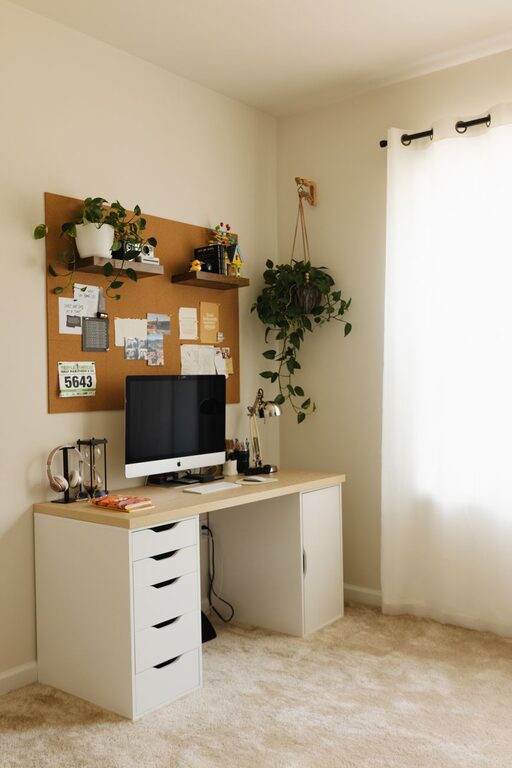
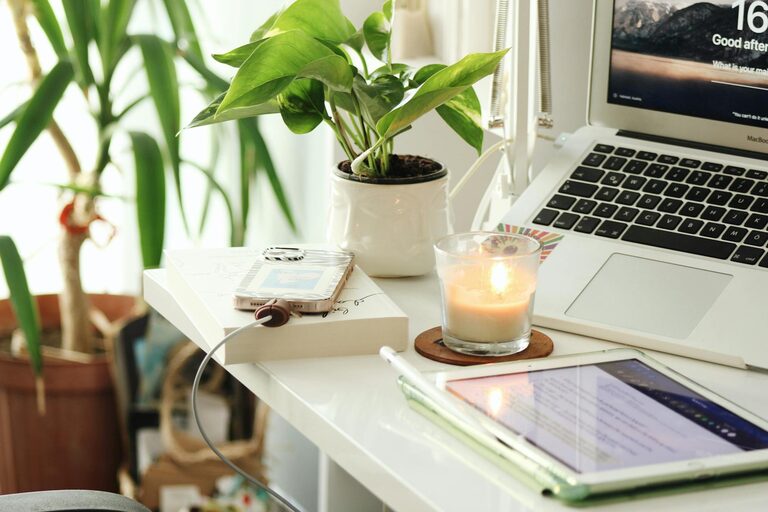
Add elements that inspire you, such as artwork, plants, or meaningful objects. Surrounding yourself with things you enjoy can stimulate creative thinking.
Incorporate a Vision Board or Whiteboard
Use a board to jot down ideas, goals, and reminders. This visual tool keeps thoughts organized and encourages brainstorming.
Choose Colors Wisely
Colors can influence mood and creativity. Soft blues and greens promote calm focus, while pops of brighter colors like yellow or orange can spark energy and inspiration.
Organize to Minimize Distractions
Declutter Regularly
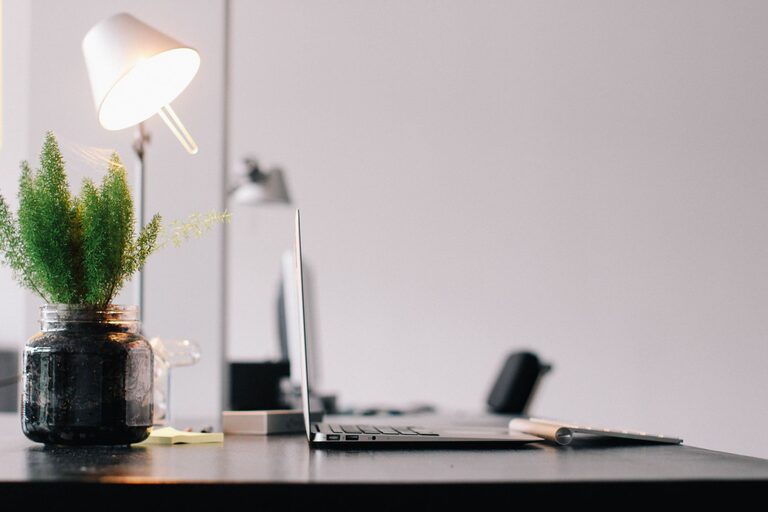
Keep your desk tidy by limiting items to only what you need. Clutter can overwhelm your senses and make it harder to concentrate.
Use Storage Solutions
Incorporate shelves, filing cabinets, or drawer organizers to keep supplies and documents out of sight but within reach.
Manage Digital Clutter
Organize files on your computer for easy access. Use apps or tools that block distractions or schedule focused work sessions.
Establish a Routine and Boundaries
Set Work Hours
Treat your home workspace like a traditional office. Define start and end times to maintain balance.
Take Breaks
Schedule regular short breaks to rest your eyes and stretch. Brief pauses can improve overall focus and prevent burnout.
Communicate Boundaries
If you live with others, clearly communicate your work schedule to minimize interruptions.
Enhance Focus Techniques
Use Noise-Cancelling Headphones or Background Music
If your environment is noisy, noise-cancelling headphones can help you concentrate. Alternatively, playing instrumental or ambient music can create a pleasant backdrop.
Practice Mindfulness or Breathing Exercises
Before or during work, take a few moments to practice deep breathing. This simple step calms the mind and prepares it for focused work.
Break Tasks into Manageable Chunks
Large tasks can feel overwhelming. Divide them into smaller steps and set achievable goals to maintain momentum.
Keep Your Workspace Fresh
Change Layout Periodically
Rearranging your desk or changing decor can break monotony and refresh your perspective.
Bring in Plants
Plants improve air quality and have been shown to reduce stress. A small desk plant or a larger floor plant can make a big difference.
Open a Window
Fresh air can invigorate your workspace. If possible, open a window to let in a breeze and improve circulation.
Final Thoughts
Designing a home workspace that supports both creativity and focus takes a bit of planning but pays off in improved productivity and well-being. By choosing the right location, personalizing your space, managing clutter, and establishing routines, you’ll create an environment where work feels enjoyable and rewarding. Experiment with what works best for you and adjust your setup as your needs evolve.
Remember, the goal is to build a workspace that feels good to be in — one that encourages your best ideas and helps you stay focused until the work is done. Happy creating!
About the Author