Creating a cozy and productive home workspace can transform your daily routine, making it easier to focus and feel comfortable throughout your workday. Whether you’re new to working from home or looking to improve your current setup, these tips will help you design a space that encourages both creativity and efficiency.
Choose the Right Location
Start by selecting a spot in your home that naturally suits work. Ideally, this space should have:
– Good lighting: Natural light is best for reducing eye strain and boosting mood. Position your desk near a window if possible.
– Minimal distractions: Pick a quiet corner or room where interruptions are less likely.
– Enough space: Make sure there’s room for your desk, chair, and any tools or equipment you need.
If space is limited, consider a foldable desk or a small nook that can be dedicated entirely to work.
Invest in Comfortable Furniture
Comfort is key to maintaining productivity. Avoid working from your couch or bed, as this can lead to poor posture and discomfort.
– Ergonomic chair: Choose one that provides good back support and adjustable height.
– Proper desk: Your desk height should allow your elbows to bend roughly 90 degrees when typing.
– Footrest or cushions: These can improve posture and make long hours at the desk more enjoyable.
Organize Your Workspace
A clutter-free area helps clear your mind and keeps you focused. Use the following organization tips:
– Declutter regularly: Remove unnecessary papers and items daily.
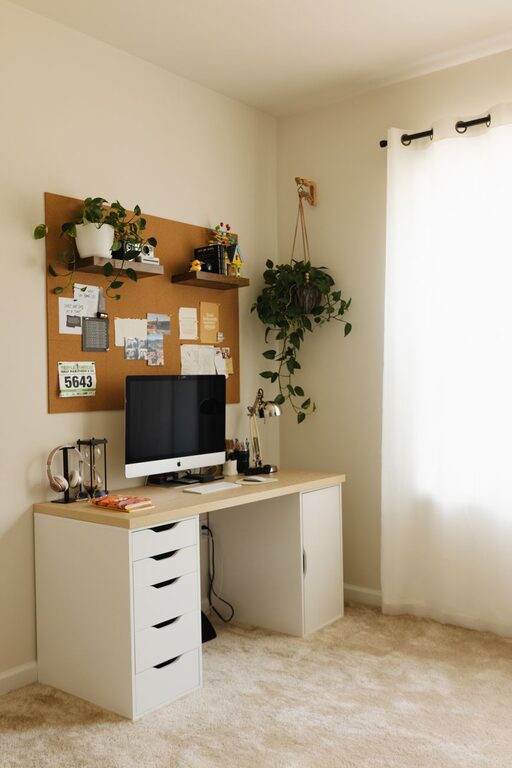
– Use storage solutions: Bins, drawers, and shelves keep supplies accessible but out of sight.
– Cable management: Use clips or ties to avoid tangled cords and maintain a tidy appearance.
Labeling storage containers and documents also makes it easier to find what you need quickly.
Personalize Your Space
Adding personal touches can make your workspace feel inviting and motivate you to spend time there.
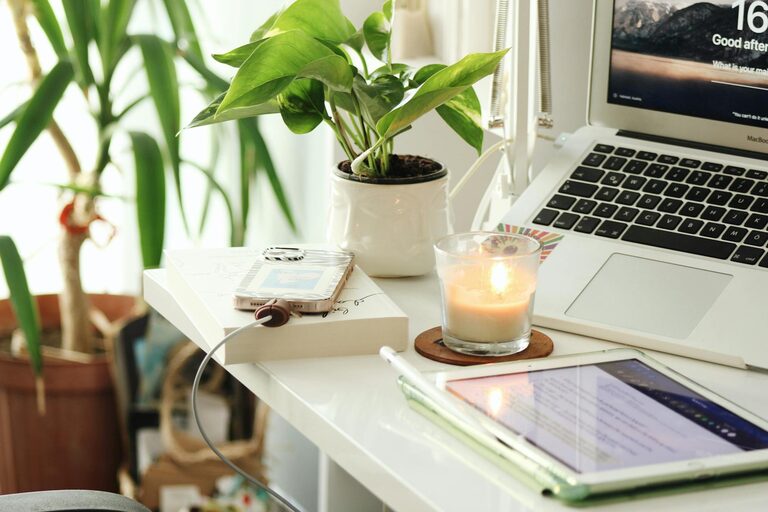
– Decorate with plants: Greenery improves air quality and adds a calming vibe.
– Artwork or photos: Choose images that inspire or relax you.
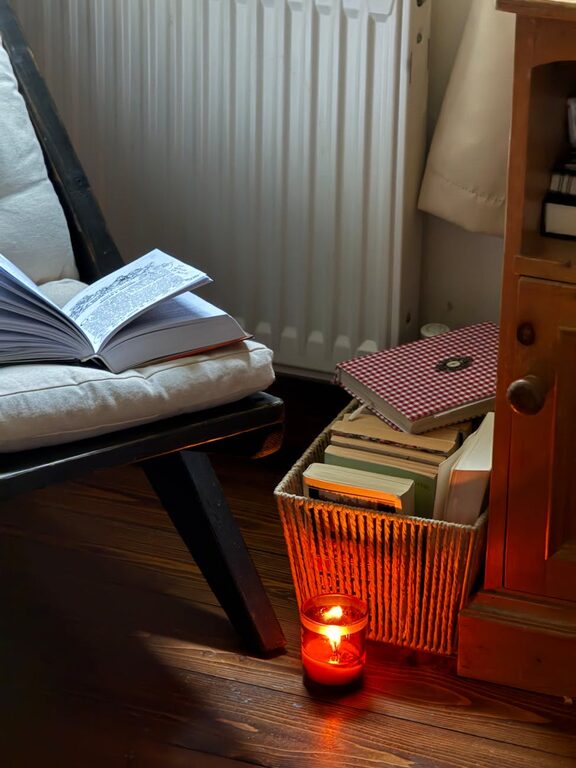
– Comfort items: A cozy blanket or your favorite mug can make breaks feel special.
Be careful not to overdo it—too many decorations can become distracting.
Optimize Lighting
Proper lighting affects how well you see your work and your overall comfort.
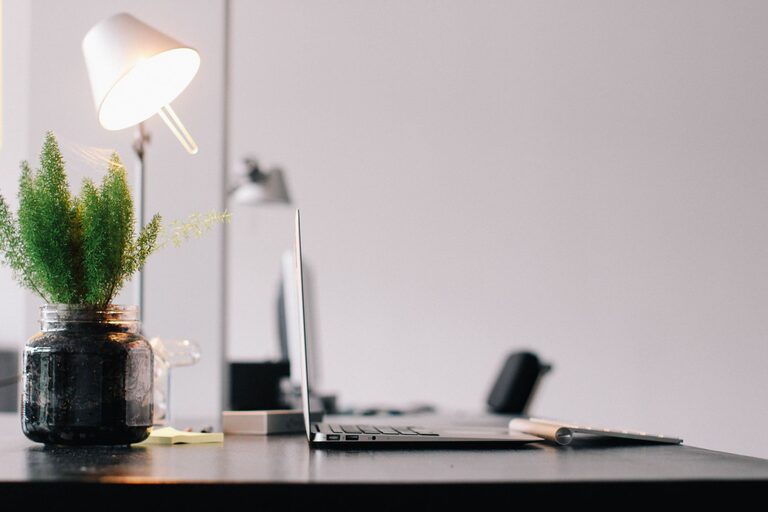
– Combine natural and artificial light: Use daylight when possible but have adjustable desk lamps for cloudy days or late hours.
– Avoid glare and shadows: Position lights to the side rather than directly overhead to reduce screen glare.
– Choose warm light bulbs: They create a welcoming atmosphere without being harsh on your eyes.
Minimize Noise Distractions
Noise can disrupt concentration. Here are ways to manage it:
– Use noise-canceling headphones: These are great if you can’t control the noise around you.
– Add soft materials: Rugs, curtains, and cushions absorb sound and help the room feel quieter.
– Set boundaries: Inform family or housemates of your work hours to limit interruptions.
Create a Routine and Dedicated Work Zone
Having a designated workspace helps your brain switch into “work mode.”
– Stick to regular hours: Just as you would in an office, start and finish work at consistent times.
– Separate work and relaxation areas: Avoid blending spaces to keep your home-life balance healthy.
Keep Essential Tools Handy
When your tools and resources are within easy reach, you can maintain focus without wasting time searching.
– Tech essentials: Have your laptop, charger, mouse, and keyboard ready.
– Supplies: Stock up on pens, notebooks, and other materials you frequently use.
– Digital organization: Maintain an organized folder system on your computer for quick access to files.
Take Breaks and Move Around
Even in a cozy workspace, remember to take regular breaks to stretch and refresh your mind.
– Follow the 50/10 rule: Work for 50 minutes, then take a 10-minute break.
– Use a timer or app: To remind yourself to step away.
– Change posture often: Stand, sit, or walk around to avoid stiffness.
—
Creating a cozy and productive home workspace is about balancing comfort with function. With thoughtful design and good habits, you can craft an environment that supports your best work every day.
About the Author