
Creating a cozy and inviting home office can greatly enhance your work experience, making long hours more enjoyable and boosting your productivity. Whether you have a dedicated room or a small corner, thoughtful design can transform any space into a comfortable workspace. In this post, we’ll explore practical tips to help you build a home office that feels warm, welcoming, and tailored to your needs.
1. Choose the Right Location
Finding the perfect spot for your home office sets the foundation for a cozy space. Ideally, select a quiet area with good natural light. Natural sunlight not only improves mood but also reduces eye strain during computer work.
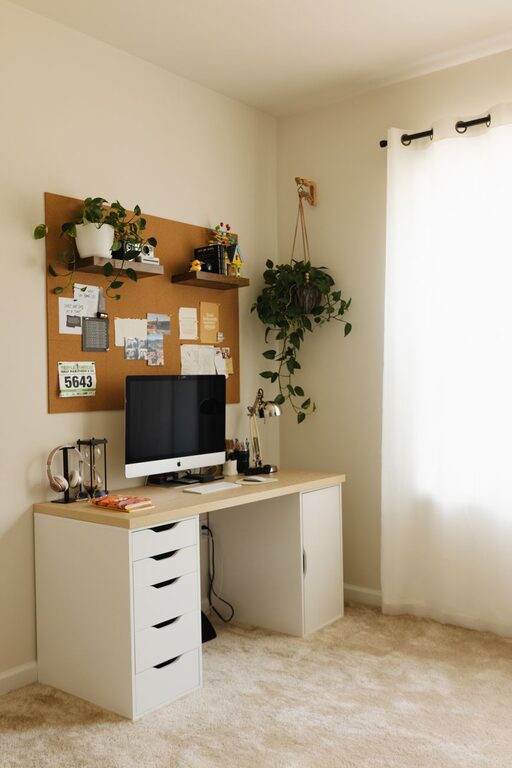
If space is limited, look for corners or niches that can accommodate a desk and chair. Avoid placing your desk facing a blank wall; instead, try to have a view or decorate the wall with art or plants to add visual interest.
2. Invest in Comfortable Furniture
Comfortable furniture is key to creating an inviting workspace where you can focus without discomfort.
– Desk: Choose a desk that suits your work style and has enough surface area for your computer, notebooks, and accessories.
– Chair: Select an ergonomic chair with good back support, adjustable height, and cushioning.
– Additional seating: If space allows, add a cozy armchair or small sofa for reading or relaxation during breaks.
Remember, investing in quality furniture pays off by promoting better posture and reducing fatigue.
3. Use Warm and Soft Lighting
Lighting plays a crucial role in setting a cozy atmosphere. Harsh overhead fluorescent lights can feel cold and tiring, so try these alternatives:
– Layered lighting: Use a combination of desk lamps, floor lamps, and ceiling lights.
– Warm bulbs: Opt for warm white LED bulbs with a color temperature of around 2700K to 3000K.
– Adjustable lamps: Desk or task lamps with adjustable brightness help reduce glare and focus light where you need it.
Natural light should be complemented with soft artificial lighting for evening work hours.
4. Add Personal Touches
Personalizing your home office can boost mood and creativity. Add decor items that inspire or relax you, such as:
– Artwork or motivational prints
– Personal photos or keepsakes
– A stylish rug or cozy throw blanket
– Decorative storage boxes or organizers
These touches make the space uniquely yours and increase your connection to the environment.
5. Incorporate Plants for Freshness and Calm
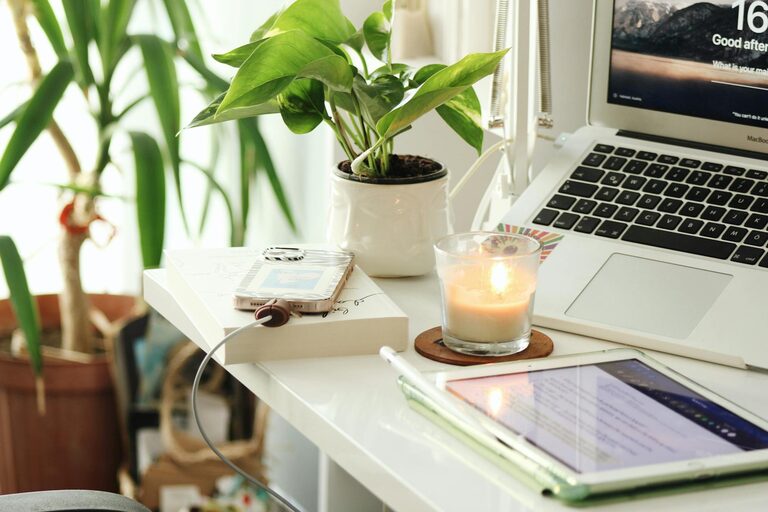
Plants are a simple and effective way to create a welcoming atmosphere. They improve air quality, reduce stress, and add a natural element to your workspace.
Consider low-maintenance indoor plants like:
– Pothos
– Snake plant
– ZZ plant
– Succulents
Place them on desks, shelves, or windowsills where they receive enough light.
6. Keep Clutter Under Control
An organized space feels more inviting and helps you stay focused. To manage clutter:
– Use storage solutions like shelves, drawers, and baskets.
– Keep only essential items on your desk.
– Set a daily or weekly routine to tidy your workspace.
Digital clutter also matters—organize your files and email inbox regularly to minimize distractions.
7. Choose Calming Colors and Textures
Color affects mood and productivity. Soothing hues like soft blues, greens, and neutrals help create a relaxing environment.
For texture, include elements like:
– Wooden desk or shelves for warmth
– Soft cushions or throws
– Fabric curtains or blinds to soften the room’s look
Balancing colors and textures makes your office feel cozy without overwhelming your senses.
8. Incorporate Functional Technology Discreetly
Technology is vital but can sometimes disrupt the cozy feeling if not managed well.
– Hide cables using organizers or clips.
– Choose wireless devices where possible.
– Use devices that match your decor, if possible.
– Position screens to reduce glare and eye strain.
A clean and efficient tech setup supports productivity while maintaining a pleasant space.
9. Create Zones for Different Activities
If your home office space allows, designate areas for various tasks:
– A primary desk area for computer work
– A reading nook with a comfortable chair and good lighting
– A small table for brainstorming or spreading out documents
Zoning helps you shift mentally between activities and prevents fatigue.
10. Add Soft Sound Elements
Background noise can support focus or relaxation.
– Use a white noise machine or app if you need to block distractions.
– Soft instrumental music can create a pleasant atmosphere.
– Consider adding a small water fountain for gentle ambient sound.
Choose what works best for your concentration and comfort.
—
Final Thoughts
Crafting a cozy and inviting home office is about blending functionality with comfort and personal style. By selecting the right location, investing in comfortable furniture, managing lighting, and adding personal touches, you create a workspace that enhances your well-being and efficiency. Remember that your workspace can evolve—adjust and improve it over time as your needs and preferences change.
Start small with a few changes today to transform your home office into a space where you look forward to spending time. Your productivity and happiness will thank you!
About the Author